
Child Fever Urgent Care: Know When to Seek Help
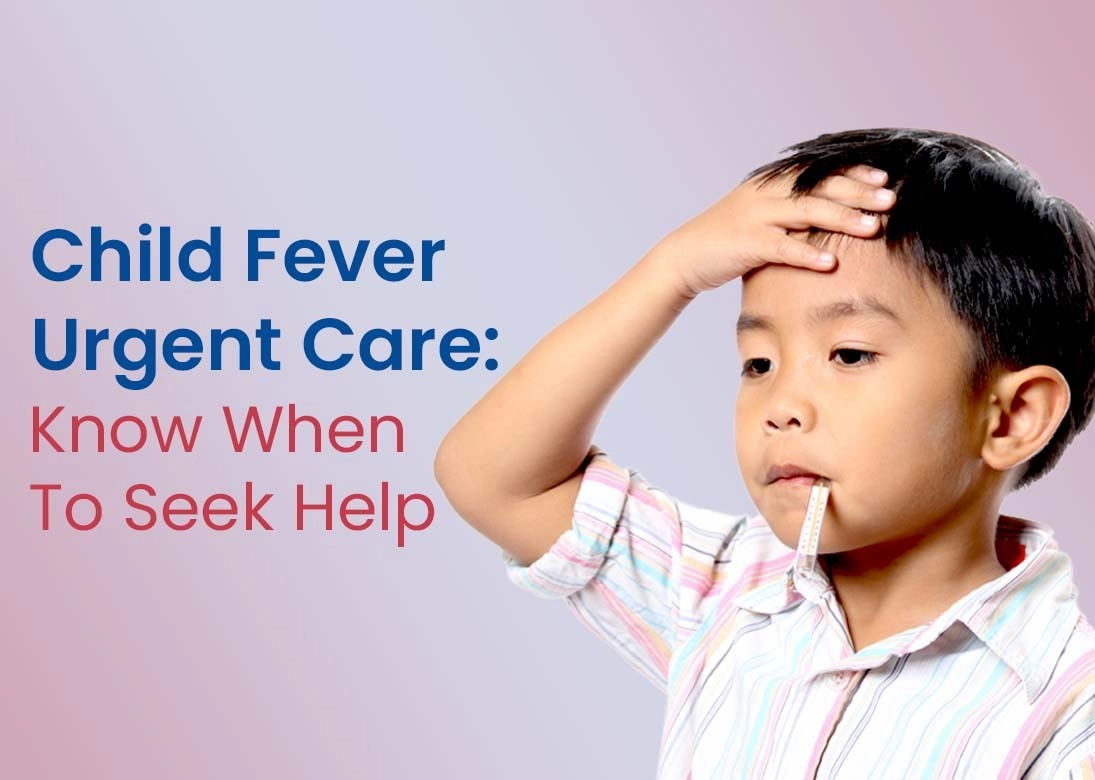
A fever can worry any parent, especially when a child’s temperature reaches 103°F (39.4°C). But the number on the thermometer is only part of the picture. Your child’s age, breathing, hydration, alertness, and other symptoms help determine whether home care, urgent care, or an emergency room is appropriate.
A baby younger than three months with a temperature of 100.4°F (38°C) or higher needs immediate medical evaluation, generally in an emergency department. For older infants and children, pediatric urgent care services can help assess many non-emergency fevers, including those accompanied by ear pain, sore throat, or persistent cough.
What Counts as a Fever in Children?
A temperature of 100.4°F (38°C) or higher is generally considered a fever. Readings vary by the method used, so use an age-appropriate thermometer and tell the provider how you measured the temperature. A fever is a sign that something is affecting the body, often an infection; it is not a diagnosis by itself.
Child Fever Guidance by Age
Babies younger than 3 months
A rectal temperature of 100.4°F (38°C) or higher in a baby younger than three months requires immediate medical evaluation, generally in an emergency department, even if the baby looks well. The American Academy of Pediatrics’ guidance on fever in babies emphasizes that young infants with a fever need prompt assessment to rule out serious infections. Do not wait for other symptoms or give fever medicine before the infant is evaluated unless a clinician directs you to.
Infants 3 to 6 months
Contact your pediatrician promptly about a fever in this age group. Assessment depends on the temperature, feeding, activity, and other symptoms. A child who looks very ill, has trouble breathing, or is difficult to wake needs emergency care; do not rely on one temperature cutoff alone.
Children older than 6 months
An older child who is alert, breathing comfortably, drinking fluids, and acting fairly normally may be monitored at home for a short time. Seek medical advice for a fever that persists, repeatedly rises above 104°F (40°C), returns after improving, or comes with new or worsening symptoms.
When Should You Take a Child to Urgent Care for a Fever?
Consider same-day urgent care or pediatric advice when your child is stable but needs an examination, particularly for:
- Fever lasting more than three days or worsening after initial improvement.
- Fever with ear pain, a painful throat, worsening cough, or pain while urinating.
- Reduced fluid intake, fewer wet diapers, or possible mild dehydration.
- A child who remains uncomfortable or unwell even after fever medication.
- Fever in a child with a chronic condition, after discussing risk with their regular clinician.
For infants and toddlers under two, contact your pediatrician earlier if fever persists beyond 24 hours or your child is not acting normally. Timing and destination of care depend on their age and overall condition.
When Is a Child’s Fever an Emergency?
Go to an emergency department promptly, or call 911 for life-threatening symptoms, if your child has:
- Fever of 100.4°F (38°C) or higher when younger than three months.
- Severe difficulty breathing, blue or gray lips, or ribs pulling in with breaths.
- Seizures, unresponsiveness, confusion, or difficulty waking.
- Stiff neck with severe headache or sensitivity to light.
- A new purple or bruise-like rash that does not fade when pressed.
- Signs of severe dehydration, such as no urination for around eight hours with marked weakness or inability to drink.
A child with an ongoing seizure needs emergency help. If a seizure lasts five minutes or longer, call 911 immediately. Do not delay care to visit a routine walk-in clinic.
How to Care for a Child With a Fever at Home
If your child has mild symptoms, is drinking adequately, and is otherwise acting well, supportive care may be enough while you monitor them.
- Offer regular fluids; breastfeeding or formula remains important for infants.
- Dress your child comfortably and allow rest; avoid ice baths and alcohol rubs.
- Consider acetaminophen for discomfort using an age- and weight-appropriate dose. Ask a healthcare professional before giving it to very young infants.
- Ibuprofen may be used in children six months and older when appropriate; avoid it if your clinician advises against it, including some dehydration situations.
- Never give aspirin to children. Do not routinely alternate fever medicines without clear professional instructions because dosing errors are possible.
- Watch the child’s breathing, alertness, hydration, and response to care—not just the temperature.
What Happens During a Child Fever Urgent Care Visit?
A provider asks when the fever started, how it was measured, which medicines were used, and whether the child has pain, cough, vomiting, urinary symptoms, or recent exposures. The examination focuses on the child’s overall condition and possible source of infection.
Physical examination
Depending on symptoms, the provider may examine the ears, throat, lungs, skin, and abdomen. Fever with ear pain may warrant an ear infection evaluation.
Testing when appropriate
Testing is not necessary for every fever. Based on the findings, a clinician may consider strep testing, a urine test, or flu testing. Chest X-rays are reserved for situations where pneumonia or another condition is suspected.
Treatment and follow-up
Treatment depends on the likely cause. Many viral illnesses need fluids, rest, and symptom management, not antibiotics. A clinician may prescribe medication for a confirmed or strongly suspected bacterial infection or recommend additional evaluation when necessary.
Is a Fever of 103°F Dangerous for a Child?
A temperature of 103°F (39.4°C) does not automatically mean a serious infection in a child older than six months, but it warrants attention to age, appearance, fluid intake, and associated symptoms. A child who is difficult to wake or struggling to breathe needs emergency care regardless of the thermometer reading. Contact a clinician if fever is high, persistent, or worrying.
When to Choose Priority Urgent Care in Clear Lake
Priority Urgent Care evaluates suitable non-emergency childhood illnesses at its Clear Lake clinic in Houston, TX. Learn more about pediatric urgent care services and fever evaluations. Children with emergency warning signs, including infants under three months with a fever, should go directly to emergency care.
Frequently Asked Questions About Child Fever
When Your Child Needs Medical Attention
Many childhood fevers improve with fluids, rest, and careful monitoring. The right decision depends on your child’s age and symptoms. If an older infant or child has persistent fever, ear pain, sore throat, or another stable non-emergency concern, a medical evaluation can help identify the cause and next steps.
Priority Urgent Care welcomes walk-in patients at 2323 Clear Lake City Blvd, Suite 130, Houston, TX 77062. Call (346) 483-0112 with questions about available pediatric care. For life-threatening symptoms, call 911 or seek emergency care immediately.