When to Go to Urgent Care for a Fever? Warning Signs
Fever is your body’s response to help you get better. When you are sick, your body’s immune system raises your body temperature to make your germs fight harder. This is a normal and sometimes beneficial reaction to a flu, cold or an ear infection.
Fortunately, most fevers are not harmful. Rest, fluids and a little time are sufficient to pass them off on their own. But there are some fevers that are not like this. They are too long-standing, too high or present with symptoms that indicate a larger issue. Those are the times when it is not best to wait it out.
We will tell you when you need urgent care for a fever symptoms and when you can treat at home. We will also tell you about the range of fevers, the red flag symptoms and what you/your child will experience during the visit, so you can feel confident about the next step.
What Is Considered a Fever?
The normal temperature for the human body is approximately 98.6°F (37°C) but varies from person to person, between approximately 97°F and 99°F. There is also a slight difference in temperature throughout the day. It is generally less in the morning and more during the late afternoon and evening.
Fever is generally considered to be a temperature of 100.4°F (38°C) or more. Remember the age of the child, how active they are and what type of thermometer they have can all influence the reading. Oral and rectal readings are generally the most accurate, but ear and forehead thermometers may be somewhat inaccurate.
The fever ranges can be thought of this way:
While the thermometer reading is important, it’s not all that matters. A person’s feeling and the accompanying symptoms will provide a more accurate indication of whether urgent care for a fever is the appropriate course of action.
Can I Go to Urgent Care for a Fever?
Can I go to urgent care for a fever? Yes. Urgent care is a good choice when symptoms worsen or don’t resolve, particularly.
Urgent care centres are designed to treat non-life threatening conditions within a short time. They treat many things that can cause a high temperature, such as the flu, strep throat, ear infections and urinary tract infections. Walk-in without an appointment and generally see, test and treat in just one visit.
Is urgent care for a fever a good option to wait days for a primary care appointment when you have a fever? Absolutely. In such cases, it is generally preferable:
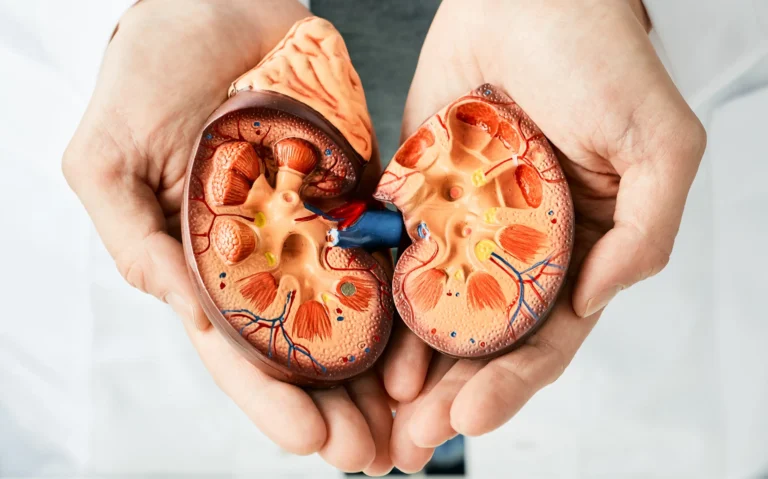
There can be multiple risk factors and causes of kidney stones, such as:
Opting for urgent care for a fever means getting a quick diagnosis, which avoids long waits and an excessive burden on the Hospital.
When to Go to the Urgent Care for a Fever
Fever is very uncommon to be an emergency. But what accompanies it is the larger question. The timing of an urgent care for a fever depends on the other symptoms that occur. It’s much more beneficial to keep an eye on those than just on the thermometer.
So, should you go to urgent care for a fever? Yes if you see any of these warning signs:
A fever higher than 103°F or persisting for more than a few days should be professionally assessed for adults. The rules are more stringent for children. If your baby is less than 3 months old and has a fever of 100.4°F or more, they should be treated immediately. If the fever persists for several days or is accompanied by the above symptoms, see a provider for older children.
Here’s where urgent care for a fever is a boon. The team can check the patient, perform quick tests and determine the cause of the fever.
Those with diabetes, heart disease or weak immune systems should take special care. When it comes to choosing whether or not to seek urgent care for a fever, it’s easy to know when it is necessary in these instances. If you aren’t sure, check it out. Early treatment of fever can prevent a small problem from becoming a big problem.
Should I Go to Urgent Care for a 104 Fever?
Should I go to urgent care for a 104 fever? In most cases yes. 104°F is a high fever and should NOT be ignored.
A temperature this high means that someone is at increased risk of dehydration and could indicate a more severe infection requiring treatment. A child or adult with a fever of 104°F should be checked by a health professional, particularly in the presence of other symptoms. A trip to urgent care for a fever at this level allows a practitioner to diagnose and initiate appropriate treatment promptly.
Still not certain whether to go to urgent care or go directly to the ER? Immediately seek medical attention in the ER or dial 911 if accompanied by any of these:
These are indications of a medical emergency that require care.
What Will Urgent Care Do for a Fever?
When you’re not sure what will urgent care do for a fever? It is easy and comprehensive. The purpose is to discover the cause and make you feel better quickly.
During a typical visit, it begins with the fundamentals:
The provider will then conduct tests to determine the issue. They can be symptoms such as:
If the cause can be determined, the provider can start treatment. So, what would that treatment be if it is tested? Care often includes:
In-house labs can provide results often within minutes, allowing you to take away answers and a plan in hand.
When a Fever Is an Emergency
Most fevers respond to urgent care, but some are best treated in the emergency room. If you have a fever with any of these, go immediately to the ER or call 911.
The difference is easy to understand. Most fevers and infections fall into the urgent-care category, which means that they are treatable in a timely fashion. The emergency room is for symptoms that are life-threatening and require advanced treatment immediately. While it’s good to attend to an urgent care for a fever in many instances, ER visits are for the serious emergency.
Frequently Asked Questions
Conclusion
Not all fevers require a doctor’s visit. Many resolve on their own with rest, fluids and time. The important thing is to be aware of your symptoms as well as the temperature reading on the thermometer and take action when you see warning signs suggesting the temperature has reached a dangerous level. Any fever that persists for a prolonged period of time, reaches an excessive temperature or is associated with concerning symptoms should always be investigated further and early treatment can avoid more serious issues.
Caring staff is on hand to provide you with urgent care in Clear Lake areas for your fever and associated ailments at Priority Urgent Care. Walk-In visits, same day testing and rapid treatment provided Monday to Saturday. With a fever, you should rely on urgent care for fever that provides you fast answers and genuine peace of mind. Visit today to consult with the professional medicare doctors.