
Can Urgent Care Remove an Ingrown Toenail in Clear Lake, TX?
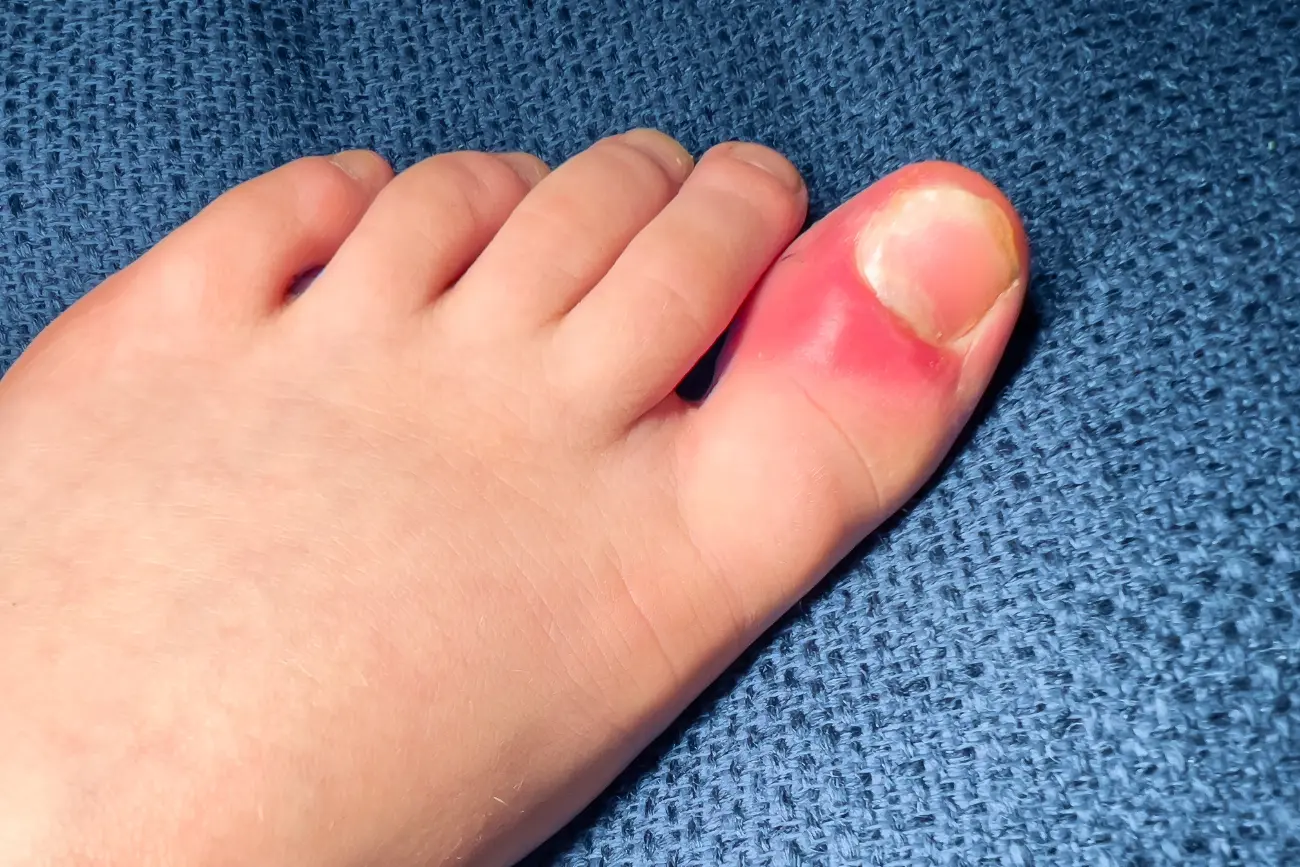
Yes. Urgent care can evaluate painful or infected ingrown toenails, and some clinics can remove the portion of the nail causing the problem. Priority Urgent Care provides ingrown toenail removal in Clear Lake, including an examination and partial nail removal when appropriate. Not every ingrown toenail needs a procedure; mild cases may improve with simple home care.
An ingrown toenail develops when the edge or corner of a nail presses into the surrounding skin. It most often affects the big toe and can cause pain, redness, swelling, and sometimes infection. Knowing when to treat it at home and when to see a provider can help prevent the problem from getting worse.
When Should You Go to Urgent Care for an Ingrown Toenail?
Consider an evaluation if the pain is increasing, the toe becomes swollen or drains pus, the nail keeps growing into the skin, or home care is not helping. A provider can check whether the surrounding tissue is infected and whether removing part of the nail is appropriate.
If you have diabetes, poor circulation, or reduced feeling in your feet, seek medical advice promptly instead of trying to cut or lift the nail yourself. Spreading redness, fever, or rapidly worsening symptoms also require timely evaluation.
Priority Urgent Care provides ingrown toenail removal in Clear Lake for eligible patients, including assessment of whether conservative care or a minor procedure is needed.
How to Treat a Mild Ingrown Toenail at Home
For a mildly ingrown toenail without signs of infection, warm water soaks, comfortable footwear, and avoiding pressure on the nail may help ease discomfort. The National Library of Medicine’s guidance on ingrown toenails recommends appropriate nail care and advises against cutting out the ingrown portion yourself. People with diabetes, poor circulation, nerve problems, or signs of infection should seek medical advice instead of attempting home treatment.
- Soak the foot in comfortably warm water for about 10–20 minutes several times a day, then dry it thoroughly.
- Wear sandals or shoes with enough room for your toes; avoid tight footwear.
- Keep the toe clean and avoid picking at the skin or nail corner.
- If appropriate for you, use an over-the-counter pain reliever according to its label or a clinician’s advice.
- Allow the nail to grow rather than cutting out the ingrown edge yourself.
Do not dig under the nail with sharp objects or attempt a home nail-removal procedure. If symptoms worsen or fail to improve after a few days, seek professional care.
What Causes an Ingrown Toenail?
Several factors can push the toenail into the surrounding skin. Common causes include:
A thickened or misshapen toenail can also be confused with other nail conditions. If a nail becomes discolored or crumbly, a clinician may consider a fungal cause rather than assuming it is ingrown. Our fungal infection treatment explains how fungal skin and nail concerns differ from an ingrown toenail.
Signs an Ingrown Toenail May Be Infected
An ingrown nail may cause tenderness even without infection. Signs that warrant medical assessment include increasing warmth, swelling, pus or drainage, worsening redness, or pain that makes walking or wearing shoes difficult. An infection can spread to nearby skin, so do not ignore redness that extends beyond the nail fold.
If your provider suspects a spreading bacterial infection, assessment and treatment may overlap with skin infection care. Antibiotics are not automatically required for every ingrown toenail or after every nail procedure.
Does Urgent Care Remove Ingrown Toenails?
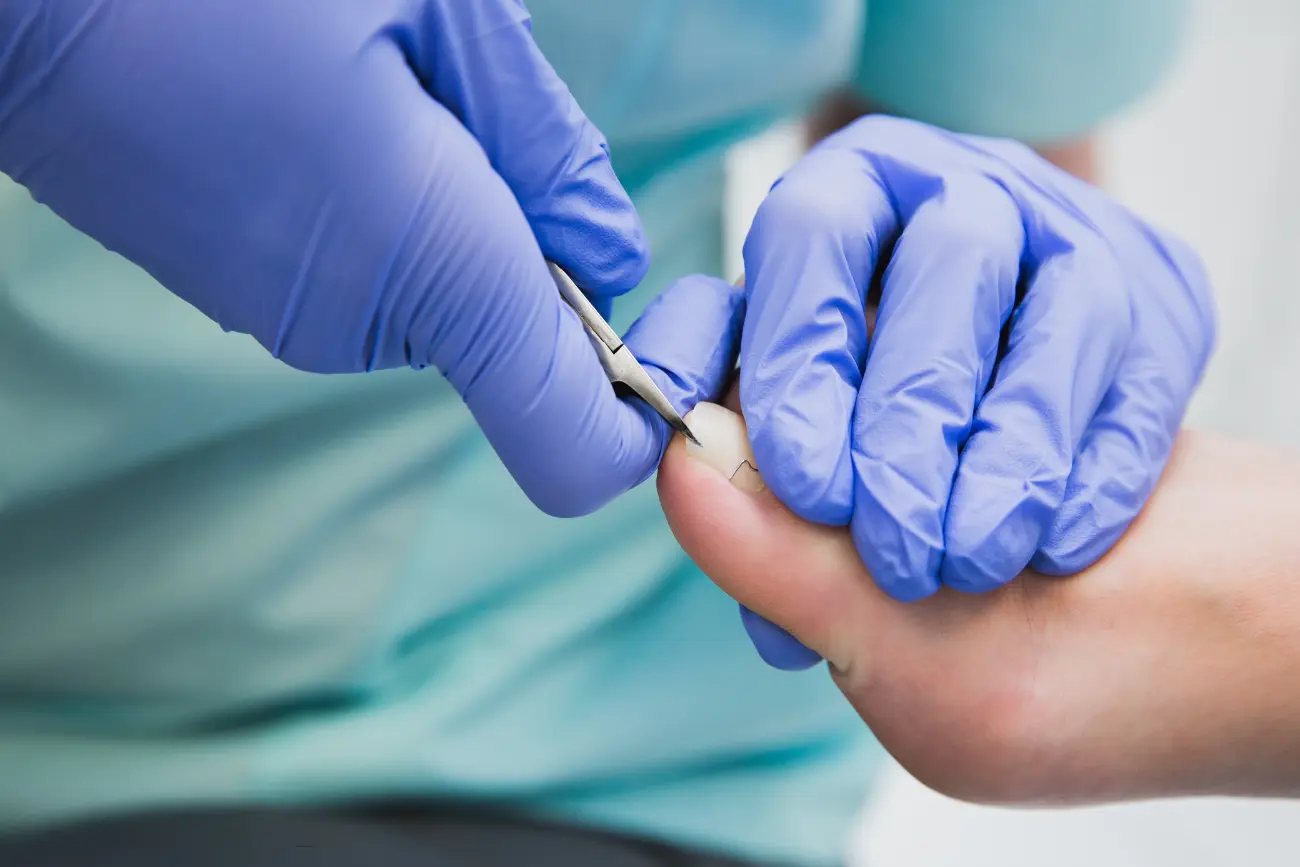
Yes, selected ingrown toenails can be treated with a minor procedure. The provider first examines the toe and discusses the options. If the nail edge is deeply embedded, repeatedly painful, or causing persistent inflammation, partial nail removal may be recommended. Some patients need referral to a podiatrist, especially when the problem keeps returning or the foot has complicating medical conditions.
What Happens During Partial Ingrown Toenail Removal?
For a suitable procedure, the provider usually numbs the toe with a local anesthetic and removes the portion of nail pressing into the skin. The wound is then dressed and aftercare instructions are provided. The exact technique depends on the nail, infection status, and the clinician’s assessment.
More extensive procedures that treat the nail-growth area may be considered for recurrent ingrown toenails, often by a podiatrist. Techniques such as chemical matrix treatment are not automatically part of every urgent care visit, and availability should not be assumed.
What to Expect After Ingrown Toenail Removal
Some soreness and drainage can occur after a partial nail removal. Keep the dressing clean and follow the instructions you receive for washing, dressing changes, medication, footwear, and activity. Healing time varies with the procedure, infection, and your health; it can take several weeks for the treated area to heal fully.
Contact a healthcare professional if pain or swelling increases, redness spreads, drainage becomes concerning, or you develop a fever. Avoid returning to strenuous activity until your clinician says it is appropriate. If the toe requires ongoing dressing care or the injury involves more than the nail, our urgent wound care services explain how minor wounds are assessed.
How to Prevent Ingrown Toenails
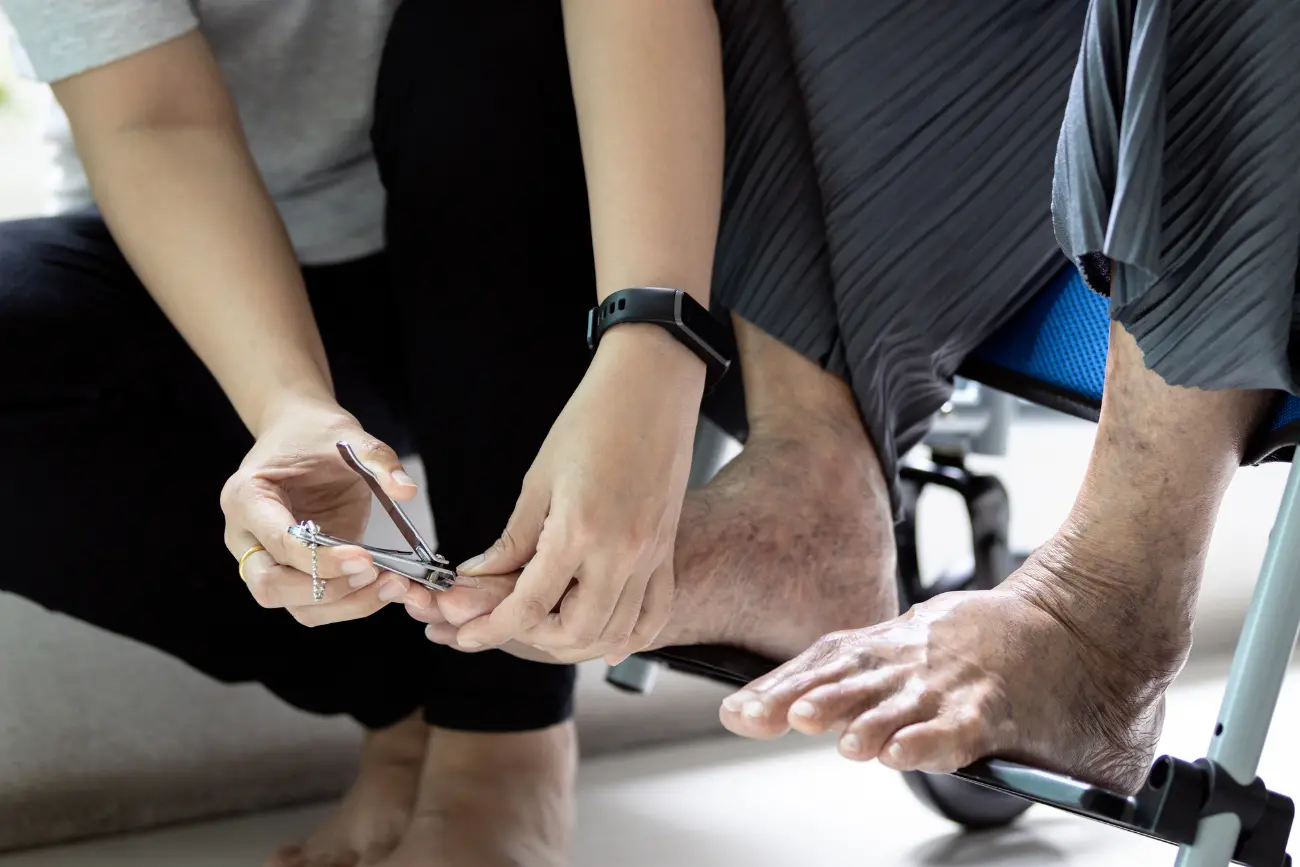
- Trim toenails straight across without digging into the corners.
- Avoid cutting nails too short.
- Choose shoes with adequate room around the toes.
- Keep feet clean and dry, and change damp socks.
- Address repeated foot trauma or recurring nail problems with a healthcare professional.
When Is an Ingrown Toenail an Emergency?
Most ingrown toenails do not require an emergency department. Seek urgent medical assessment for rapidly spreading redness or fever. If you develop signs of severe illness, a black or cold toe, or serious circulation concerns, seek emergency care. People with diabetes, neuropathy, or poor circulation should be particularly cautious about any new foot wound.
Frequently Asked Questions
Ingrown Toenail Care in Clear Lake, Houston, TX
If your ingrown toenail is painful, swollen, recurring, or showing signs of infection, Priority Urgent Care can evaluate the affected toe and explain your treatment options. Our Clear Lake clinic is located at 2323 Clear Lake City Blvd, Suite 130, Houston, TX 77062. Call (346) 483-0112 to ask about current procedure availability and visit arrangements.