
When to Go to Urgent Care for Fractures and Sprains
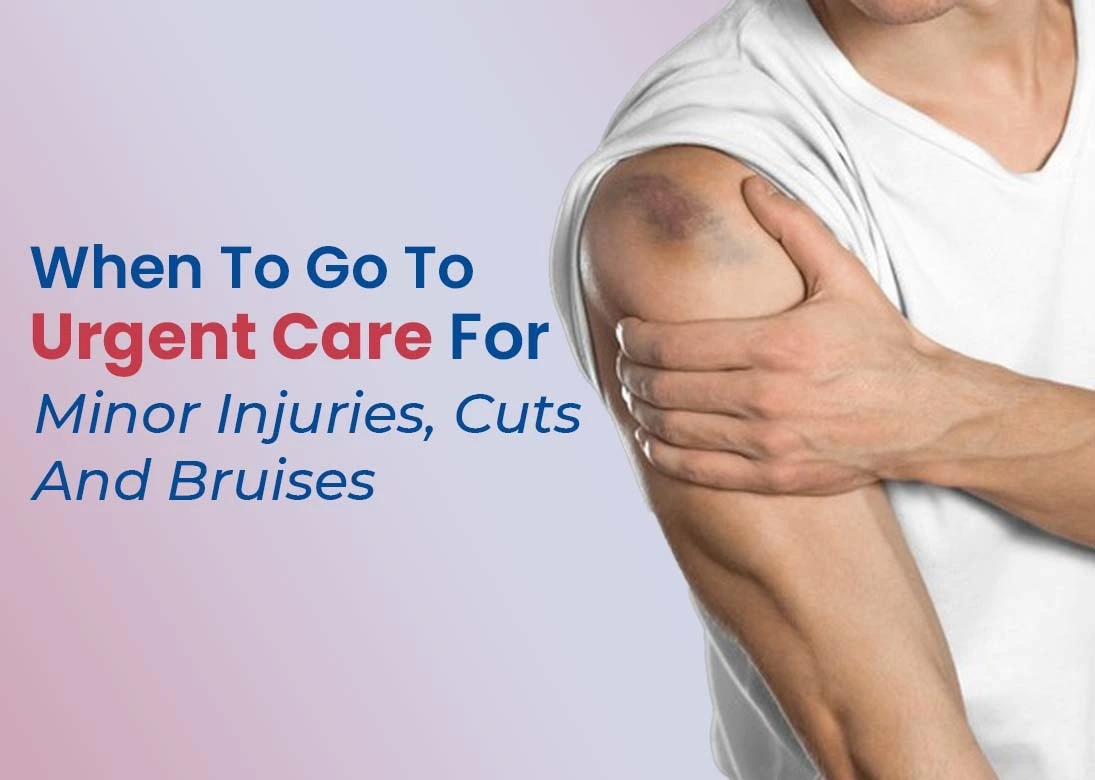
A twisted ankle or painful wrist after a fall can be difficult to judge. Is it a sprain, or could you have broken a bone? Urgent care can evaluate many stable, non-emergency injuries, including sprains and suspected minor fractures. At Priority Urgent Care, our bone fracture services help patients with suspected uncomplicated fractures receive an examination and guidance on appropriate treatment. A provider may recommend an X-ray, support the injured area, and explain whether you need specialist follow-up.
Some injuries need hospital care instead. If a limb looks severely deformed, a bone has broken through the skin, or fingers or toes are cold, blue, or numb, seek emergency care. Below, learn the differences between fractures and sprains, what you can do initially, and when to get examined.
Fracture vs. Sprain: What Is the Difference?
Fractures and sprains often share symptoms, including pain, swelling, bruising, and difficulty moving. You cannot reliably tell them apart by how much an injury hurts or whether you can still walk.
Fracture (Broken Bone)
A fracture is a crack or break in a bone. It can happen after a fall, collision, direct impact, or twisting injury. Some breaks are small or nondisplaced, while others are unstable or involve an open wound. Localized tenderness over a bone, swelling, and difficulty bearing weight can raise concern for a fracture, but an examination and sometimes imaging are needed.
Sprain (Ligament Injury)
A sprain occurs when ligaments—the tissues that connect bones at a joint—stretch or tear. Sprains commonly affect ankles, knees, and wrists. They can cause swelling, bruising, tenderness, and joint instability. Severe sprains may hurt as much as fractures and can also require follow-up care.
A rolled ankle is especially common. Our ankle sprain evaluation explains the symptoms and available care.
Common Signs to Compare
| Feature | Fracture | Sprain |
| What is injured | Bone | Ligament around a joint |
| Common symptoms | Pain, swelling, bruising, difficulty using the area | Pain, swelling, bruising, possible joint looseness |
| Imaging | X-ray often helps identify a suspected fracture | X-ray may be used to rule out a fracture; ligaments are not shown well |
When Should You Go to Urgent Care for an Injury?
Consider urgent care when you are otherwise stable but have pain, swelling, bruising, reduced movement, or difficulty putting weight on an injured foot or ankle. An examination can help determine whether the injury needs imaging, a brace or splint, or referral for further care.
- Pain or swelling that does not improve as expected after a fall or twist
- Tenderness directly over a bone or difficulty walking normally
- A wrist, ankle, foot, or other joint injury with limited movement
- A suspected minor fracture without major deformity or circulation problems
- A sprain that feels unstable or makes normal activities difficult
Do not force yourself to walk on a painful injury simply to test whether it is broken. Symptoms alone cannot reliably rule out a fracture.
When to Go to the Emergency Room Instead
Seek emergency evaluation for an open fracture, a limb that is visibly crooked, uncontrolled bleeding, a major accident, or severe pain associated with significant injury. Numbness, marked weakness, or fingers or toes that become cold, pale, or blue may indicate nerve or circulation problems. Suspected injuries of the neck, spine, or pelvis also require emergency assessment.
If there is major trauma or a life-threatening emergency, call 911. Do not delay emergency care for an urgent care visit.
First Aid for a Possible Sprain or Minor Fracture
Until you are examined, protect the injured area and avoid movements that make pain worse. If you suspect a fracture, keep the area supported rather than trying to straighten or reposition it yourself.
- Rest and protect the area; avoid sports or unnecessary weight-bearing.
- Apply a wrapped cold pack for about 15–20 minutes at a time to ease pain and swelling. Do not place ice directly on skin.
- For a likely sprain, gentle compression may help swelling, but loosen the wrap if tingling, numbness, or color changes occur.
- Elevate the injured limb when possible.
- Ask a healthcare professional about pain relievers that are appropriate for your health conditions and medicines.
These measures can ease symptoms, but they do not replace medical evaluation when a fracture is possible.
How Urgent Care Evaluates Fractures and Sprains
Injury History and Examination
Your provider asks how the injury happened, where it hurts, and whether you can move or bear weight on the affected area. The examination may check tenderness, swelling, joint stability, sensation, and circulation.
X-Rays When Medically Appropriate
X-rays can help identify many fractures. They do not show ligament injuries well, and an initial X-ray may not reveal every small fracture. For ankle injuries, providers can use the American College of Radiology’s imaging guidelines to determine when an X-ray is appropriate based on the location of tenderness, ability to bear weight, and other examination findings. Follow-up imaging or specialist evaluation may be necessary when symptoms suggest an injury that was not identified on the initial X-ray.
Priority Urgent Care has on-site X-ray services for selected injuries at its Clear Lake clinic.
Support, Pain Management, and Referral
Depending on the injury, care may include a splint, sling, supportive brace, advice on suitable medication, and activity restrictions. Some fractures require orthopedic treatment; severe injuries may need emergency referral.
Recovery and Follow-Up
Before leaving, you should understand how to protect the injured area, when movement can gradually resume, and which symptoms require reassessment. Recovery varies with the injury type and severity, so avoid returning to strenuous activity solely because the pain has eased.
Why Consider Priority Urgent Care for Minor Injuries?
Priority Urgent Care offers walk-in evaluation for suitable non-emergency injuries at 2323 Clear Lake City Blvd, Suite 130, Houston, TX 77062. Its published services include X-ray imaging and initial care for suspected minor fractures, sprains, and related injuries. A provider can advise whether treatment at the clinic is sufficient or whether orthopedic or emergency care is needed.
If an injury occurred during exercise or competition, our sports injury services describe additional conditions we evaluate.
Frequently Asked Questions
Get a Minor Injury Checked in Clear Lake, TX
If you have ongoing pain, swelling, or difficulty using a joint after a fall or twist, Priority Urgent Care can evaluate suitable non-emergency injuries and recommend next steps. The clinic welcomes walk-in patients at 2323 Clear Lake City Blvd, Suite 130, Houston, TX 77062. Call (346) 483-0112 for current service availability.
For life-threatening injuries or serious circulation problems, seek emergency care immediately.